Pododermatitis, better known as Bumblefoot
- Details
- Category: Care
- Hits: 46
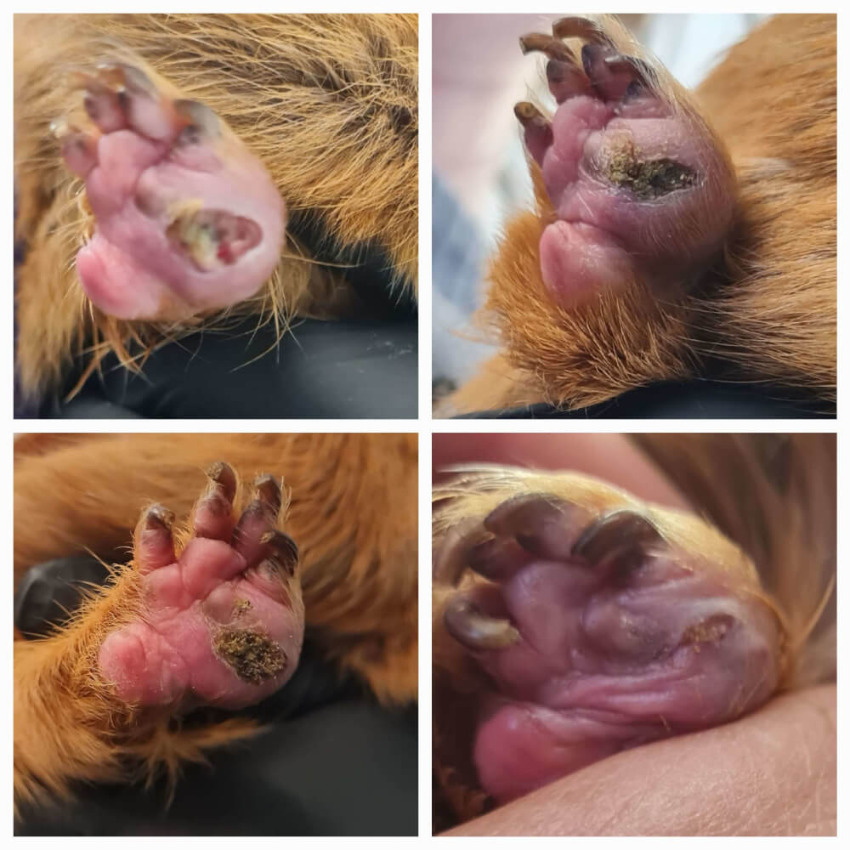
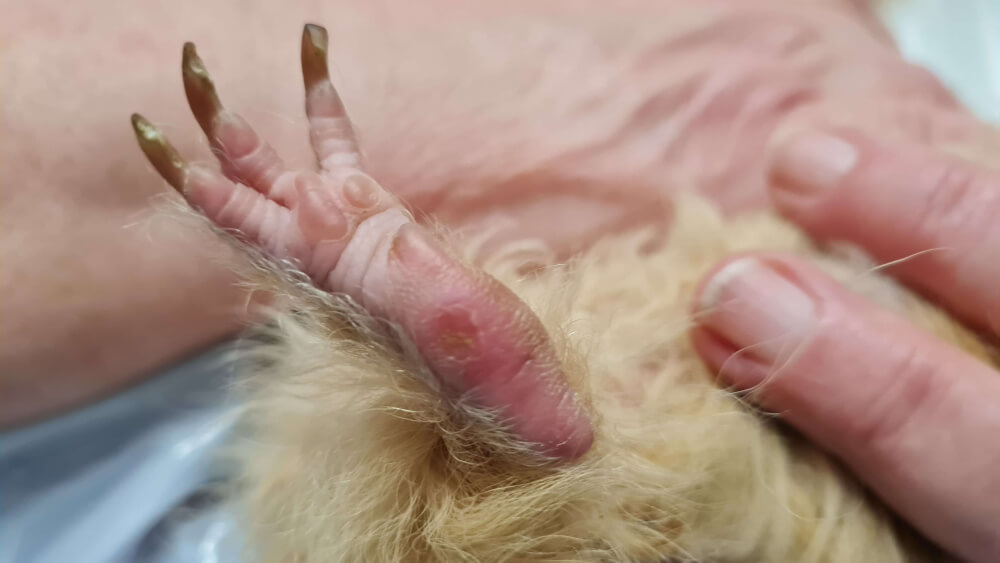
Pododermatitis, more commonly referred to as Bumblefoot is a bacterial infection that causes swelling and often a large open wound on the bottom of the foot.
Bacteria can enter the foot through tiny tears in the skin and the infection can take hold. It's a very painful condition for a guinea pig.
Bumblefoot can occur for different reasons. Poor husbandry and/or neglect can cause bumblefoot. A guinea who is living in a wet, damp soiled cage is at risk of bumblefoot occurring. The urine they are sat in will often first cause urine scald, this is where the foot pads become very red and sore. If this is not treated and the cage remains dirty bumblefoot tends to occur next as the bacteria gets into the skin on the foot.
Making sure the guineas bedding in the cage is dry and that wet soiled areas are not allowed to build up helps keep their feet healthy. Some owners find that fleece liners can make their guineas feet more sore, others find it has helped their guineas.
Fleece liners aren't made equally and depending how absorbent they are they might need changing regularly during the week compared to using a disposable bedding like Aubiose or shavings which can easily be spot cleaned to remove any heavily wet areas. What ever bedding is used it's important to clean it out regularly for your guineas health.
Guineas by nature can be a little lazy and will often lay in the same part of their cage or under a hide. It's important to check under hides as these areas can become damp quickly if your guineas spend more time there. Guineas who are in cages with wire bases that have no bedding on top are also at risk as the wire can damage the skin layers on their feet. Cages that are too small will get wet quicker and if not cleaned out regularly guineas feet could get sore.
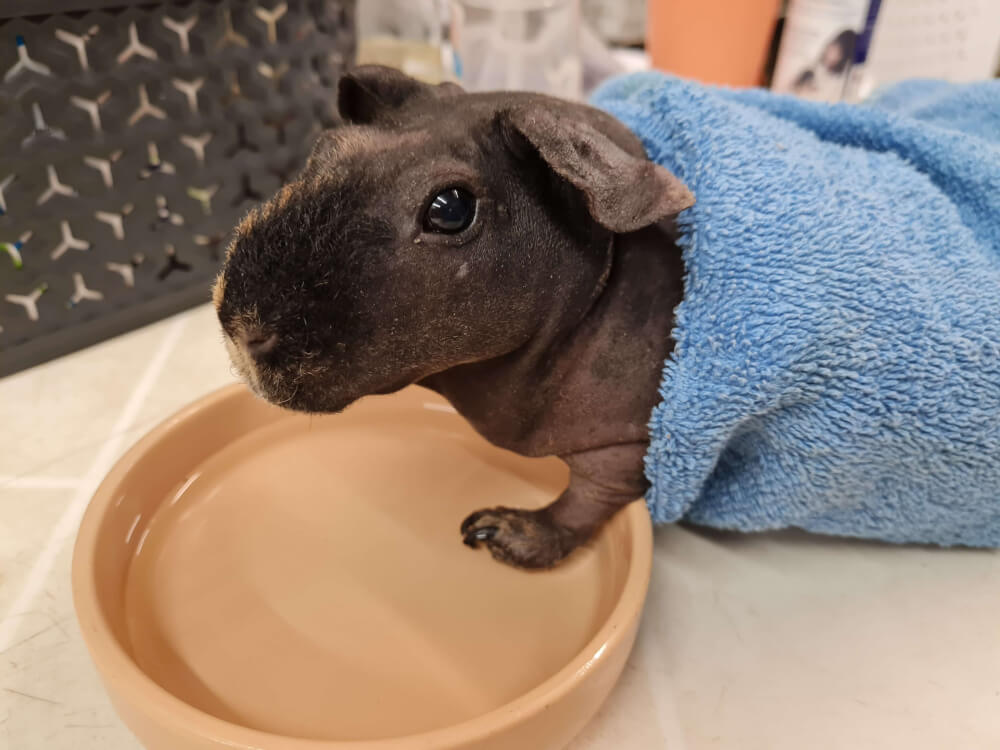
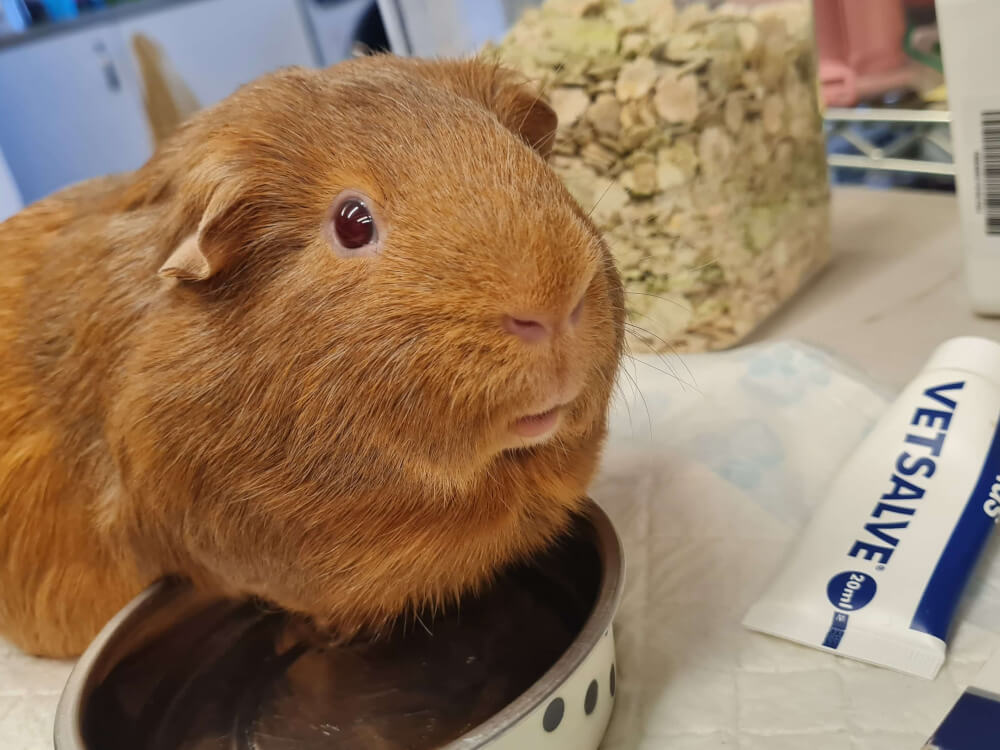
We always talk about the importance of unrestricted hay on the floor in cages for diet and enrichment. Having hay covering a good third of the cage or more encourages guineas to move around. Owners who restrict hay to a tiny tray aren't giving their guineas a need to move around. Obesity can occur in guineas, they can be chunky by nature but excess weight can cause joint problems and increase the risk of bumblefoot.
Other health conditions and illness can also be a reason for bumblefoot happening. Arthritis is very common in guineas and often goes undiagnosed until an owner notices some stiffness or that their guinea isn't moving around as much.
Heart problems in guineas can mean their circulation isn't good and blood flow doesn't reach the extremities meaning their feet can become compromised.
Guineas are very good at hiding when things are not right although experienced owners will often pick up on the little signs of something not quite right. If a guinea is in pain or is ill they won't be moving around as much, they will stay in the same place and could be sitting longer in wet areas. Overgrown nails can press into the foot pad causing sore areas and can cause them to walk differently which can put extra pressure on certain parts of the foot which can make their feet very sore. Guineas need regular nail trims.
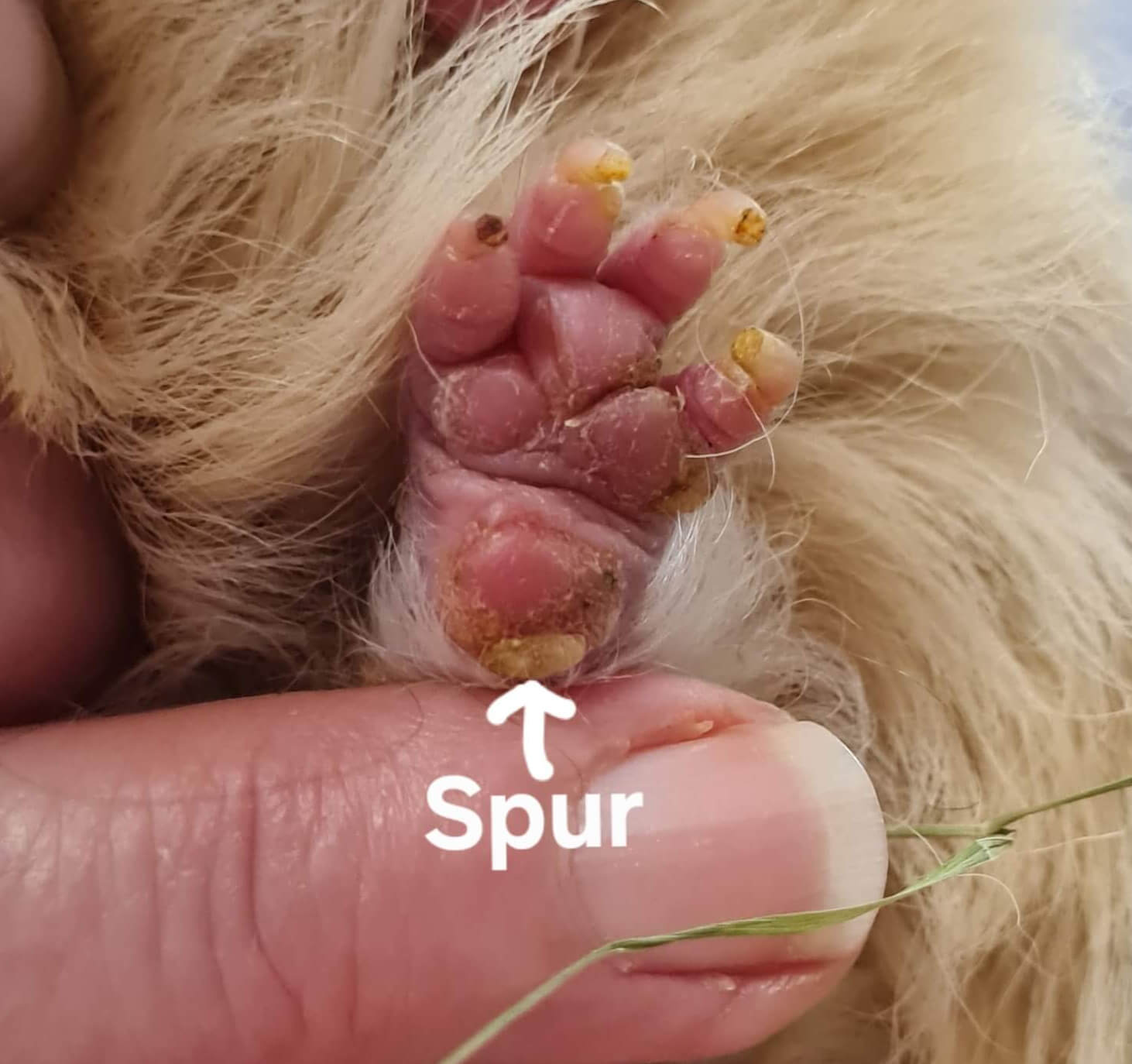
Foot spurs are sometimes mistaken for bumblefoot. Spurs are harmless keratin growths that can grow on the side of the foot or in-between the foot creases. Spurs on the side of the foot can be trimmed down to prevent guinea catching it. Avoid cutting too close to the skin. Coconut oil or a foot cream can be applied to soften callous in the creases. Creams shouldn't be routinely applied to a healthy guineas foot as it can make the feet too soft which increases the chances of tiny skin tears.
If you think your guinea has bumblefoot they need to see their vet for treatment to start as it's very painful for them and in severe cases the infection can travel to the bones in the foot. Antibiotics and pain relief are prescribed and foot soaks and barrier creams applied. Bumblefoot can take a long time to improve depending on the severity.
For mild cases Epsom salt soaks can help but it's important the salt water is washed off the foot and that it doesn't go in the guineas eyes as it can damage them.
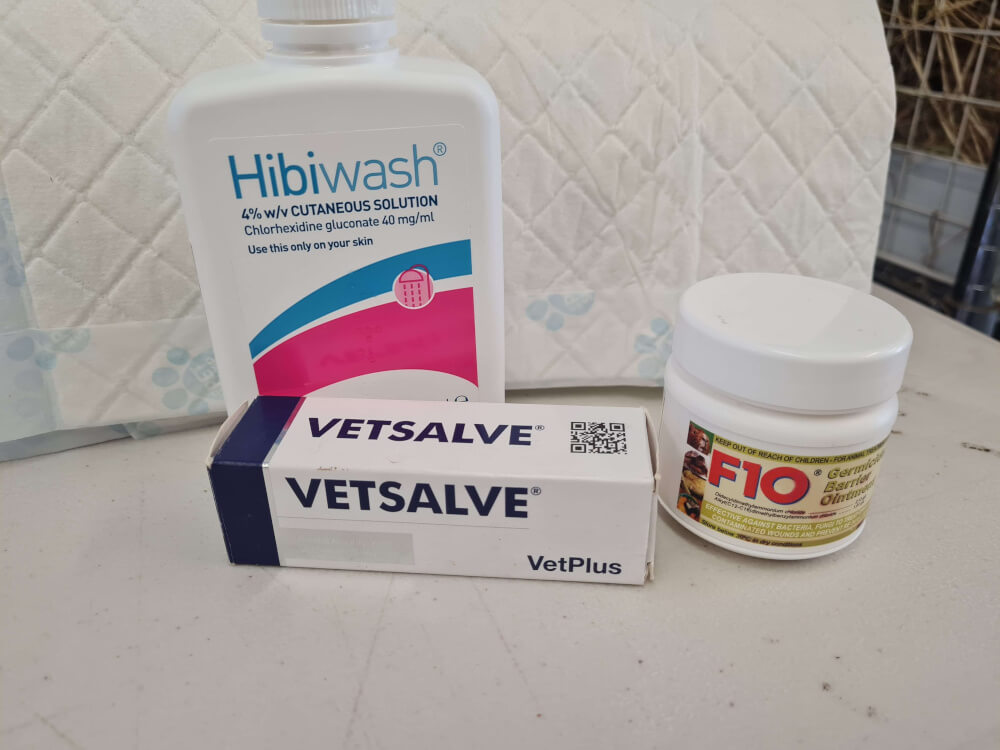
For large open wounds a diluted antiseptic soak is usually done a couple of times a day. Medical grade sterile manuka honey or barrier creams like F10 Antiseptic cream or Vet Salve are what we use however your own vet may recommend something different.