Fruit and Vegetables
- Details
- Category: Care
- Hits: 505
Fresh fruit and vegetables are important for guineas, providing vitamin C and other nutrients.
Like humans guineas are unable to produce vitamin C so we need to provide it in their diet. Veg time is the highlight of most guinea pigs’ day so they learn regular veg times and excitedly await!
Never give frozen, tinned or defrosted veg. Freshness and quality is important – if you wouldn’t eat it neither should your guinea. Guineas cannot physically vomit so it is really important they don’t eat any perished or “off” food. Variety is important to give a wide range of nutrients and everything in moderation. A handful of veg per day per guinea is enough. Vitamin C Supplements aren't advised for healthy guineas as they should be getting all they need from their diet.
Vitamin C supplements quickly degrade once exposed to light and air and adding vitamin c to water bottles can put guineas off drinking, the vitamin degrades on contact with metal spouts and there is no way of knowing how much they have taken. Too much vitamin C is thought to contribute to joint and bladder problems in guineas.
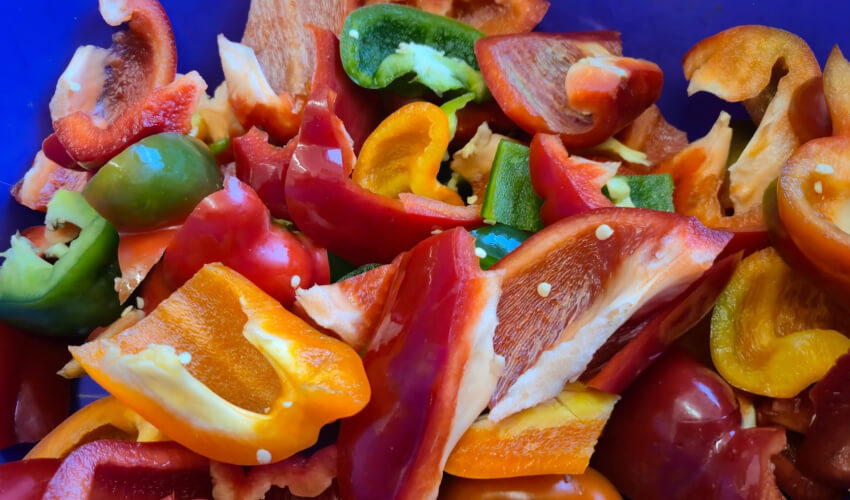
Some of the common unsafe veg for guineas includes rhubarb, leeks, onions, garlic, potatoes, (sweet potato is safe as it is from a different plant family) avocado, tomato leaves and stems (the fruit is fine). Some of the favourites for guineas are peppers, (they can eat the seeds), celery (they can eat the strings), fennel, spring greens, broccoli, cherry tomatoes, cucumber, carrots, spinach, celeriac. Guineas are herbivores and can not have any dairy, egg or meat products.
We generally provide three or four veg in a meal and also give herbs like coriander, dill and parsley and fruits such as apple, melon, strawberry, and banana in moderation.